
Detection capability
Facial Emotion Recognition
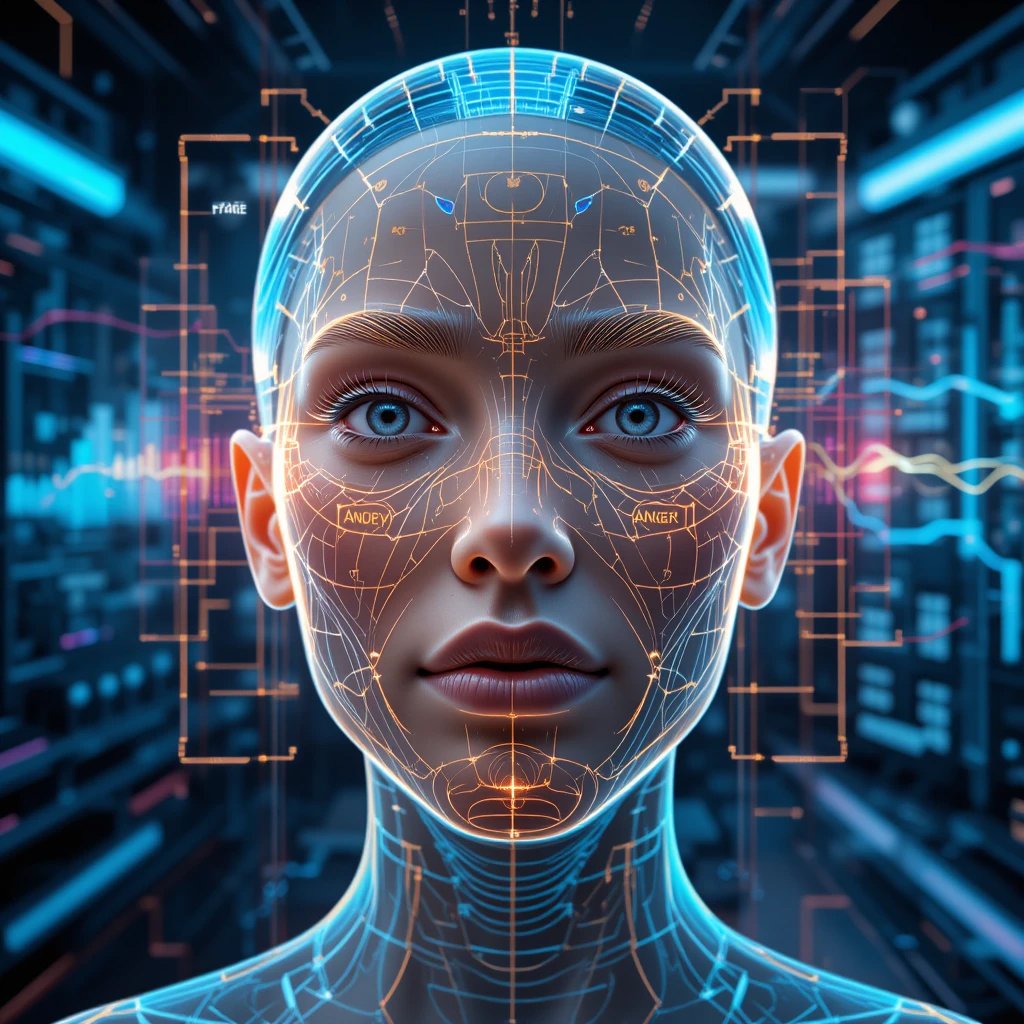
Facial muscle movement and visible expression patterns are tracked over time to identify emotional cues that may not be clear from a single still frame.
Facial Emotion Recognition analyses visible facial expressions and the muscle patterns associated with them over time. Instead of relying on a single still image, it considers how facial features move and change while an expression is being made. Different emotions can be reflected through different visible facial cues. Happiness can appear through smiling and raised cheeks. Anger can be associated with tense brows and lips, while sadness can appear through drooping facial features and fewer blinks. Surprise can involve widened eyes and a dropped jaw. Fear can appear through a stretched mouth and darting eyes, while disgust can be reflected through a wrinkled nose and raised lips.By examining these visible expression patterns over time, the capability provides a way to interpret facial emotional cues that may be missed when only a single frame is considered.
Deepfake Detection is one of eight signals used by the Trust Factor Engine. It is considered alongside the other seven signals rather than being treated as the only basis for the overall result. The engine considers multiple signals together when assessing whether the video, voice, or face being evaluated can be trusted. A single signal does not independently determine the final verdict. How the weighting works
Next
See the whole engine
Capabilities are components. The platform page shows how the eight combine into one score.
See it score a real video
Bring your own footage. We will run it through the Adaptive Cognito Engine and walk you through the findings.