
News · Case study · 2 weeks ago
Air India Drug Tests Put Pilot Fitness and Behavioral Safety in Focus
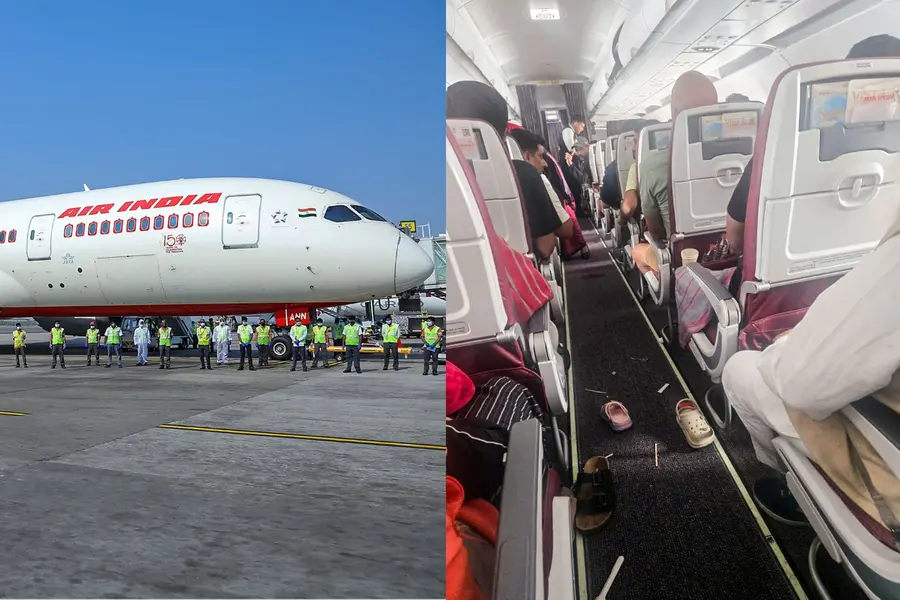
Air India has introduced mandatory substance screening across its entire pilot workforce following the August 4 incident involving flight AI2379 from Phuket to Delhi. The Airbus A320 reportedly experienced a sudden altitude loss of around 300 feet while cruising over Odisha, injuring 24 people. Both pilots underwent post-flight screening, with the captain subsequently testing positive for marijuana while the first officer tested negative. The captain was removed from flying duties, while the Aircraft Accident Investigation Bureau (AAIB) continues investigating the cause of the incident.
Beginning August 13, the airline expanded screening to more than 5,000 pilots across Air India and Air India Express. The initiative goes substantially beyond India's existing requirement for random testing of a portion of flight crew. Screening will be incorporated into training sessions, flight briefing centres, airline offices and designated facilities at pilots' home bases, making crew-fitness monitoring a more systematic part of airline operations.
The decision highlights a broader aviation challenge: fitness to fly cannot depend only on periodic medical examinations and substance testing. Fatigue, stress, cognitive impairment, reduced alertness and abnormal behavioural patterns can potentially affect human performance even when conventional tests reveal no immediate problem. Importantly, investigators have not established that the captain's reported positive test caused the altitude-loss incident, making it essential to separate the safety investigation from assumptions about causation.
This is where technologies such as FaceOff Technologies' multimodal behavioural intelligence platform could potentially complement not replace medical and regulatory checks. With appropriate consent, regulatory approval and privacy safeguards, AI-assisted analysis of facial and behavioural signals could help identify deviations associated with alertness, fatigue or stress before critical duties. Such systems should function as decision-support and early-warning tools, with any safety-critical determination remaining with qualified aviation and medical professionals.
As Indian aviation expands, the incident reinforces the need to move from periodic compliance toward continuous, privacy-conscious safety assurance. Combining substance screening, medical fitness assessments, fatigue-management programmes and carefully validated behavioural technologies could create additional layers of protection. For airlines, the objective is not simply detecting violations; it is identifying potential human-performance risks early enough to intervene strengthening operational resilience while protecting both passenger safety and employee rights.